
Discover Raimatang: Offbeat Wilderness in Buxa Tiger Reserve
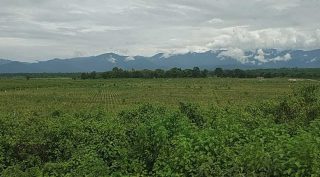
Hidden deep inside the emerald forests of Buxa Tiger Reserve, Raimatang is a tiny village that feels almost suspended in time. This is the Dooars you rarely see in brochures—raw, silent, and so close to Bhutan you can practically feel its mountains watching over the valley. Whether you are a traveller from India craving the call of nature or a European visitor searching for an authentic jungle experience, Raimatang rewards you with the kind of unspoilt beauty that modern life has all but forgotten.
Location and Orientation: A Village Wrapped in Forests
Raimatang covers less than a square kilometre, making it one of the smallest settlements inside Buxa Tiger Reserve. You’ll find a single dusty road that starts from the riverbed on the western side and ends near the modest forest bungalow to the east. A quieter parallel track further south runs through the heart of the village, where the handful of homestays and small lodges are tucked away between bamboo groves and kitchen gardens.
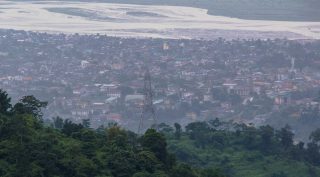
With fewer than a hundred households, Raimatang has no large shops or restaurants—just a scattering of simple houses whose residents depend on the forest and visiting travellers. If you need packaged snacks, your preferred brand of cigarette, or anything beyond the most basic supplies, the nearest option is Kalchini, a small town about 10 kilometres away across the river.
This remoteness is precisely why people come here: it’s a place to unplug completely and feel the pulse of the forest all around you.
Tour Packages

Buxa Tiger Reserve 2 Day Tour
1N Buxa
Spend two memorable days exploring the eastern Dooars as you visit the forests of Buxa Tiger Reserve, the picturesque Jayanti River and historic Buxa Fort, while enjoying the peaceful surroundings of one of the region's most scenic forest d

Eastern Dooars Tour Package
2N Jaldapara, 1N Buxa
Discover the iconic Buxa and Jaldapara of eastern Dooars. Explore the grasslands of Jaldapara National Park and conclude your journey amidst the forests, rivers and historic landmarks of Buxa Tiger Reserve and Jayanti.

Coochbehar and Buxa tour
1N Coochbehar, 2N Buxa
This 3-night tour combines the royal heritage of Cooch Behar with the pristine forests of Buxa. Explore magnificent palaces and temples before heading to the wilderness of Buxa.

East and Central Dooars Tour Package
2N Jaldapara, 2N Buxa
Explore the grasslands of Jaldapara and the forests of Buxa Tiger Reserve on a relaxed holiday combining wildlife, nature and local culture.

4 Nights with Rhinos and Elephants of Dooars
2N Jaldapara, 1N Chilapata, 1N Buxa
Experience the grasslands of Jaldapara, the forests of Chilapata and the wilderness of Buxa Tiger Reserve on a relaxed 6-day Dooars holiday.

Offbeat eastern dooars tour package
2N Chilapata, 2N Raimatang
Experience the forests of Chilapata and the peaceful village landscape of Raimatang on a relaxed holiday combining wildlife, rivers and local culture.

Unseen Dooars tour package
1N Sumsing, 1N Jaldhaka, 2N Gorumara, 1N Jaldapara
Experience the Himalayan foothills, forest landscapes and wildlife of the Dooars with stays at Samsing, Jhalong, Gorumara and Jaldapara.

Samsing Gorumara Jaldapara Buxa tour
1N Samsing, 2N Gorumara, 1N Jaldapara, 2N Buxa
Experience the Himalayan foothills, the forests of Gorumara and Buxa Tiger Reserve, and the grasslands of Jaldapara on a relaxed Dooars holiday.

8 Days entire dooars tour package
2N Gorumara, 2N Jaldapara, 1N Chilapata, 2N Buxa
Discover the forests of Gorumara, the grasslands of Jaldapara, the wilderness of Chilapata and the natural beauty of Buxa Tiger Reserve on an immersive Dooars holiday.
The Raimatang River: Changing Moods of a Himalayan Stream
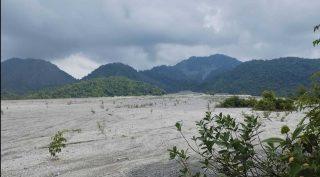
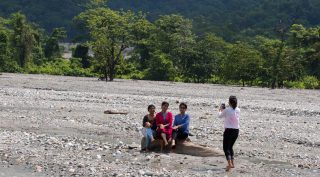
The Raimatang Khola—or Raimatang River—forms a protective curve around the north and west of the village. For much of the year, the river is a lazy braid of crystal-clear streams flowing across a wide, stony basin. Children hop between the pebbles, locals wash clothes in the shallows, and you’ll often see clouds of butterflies fluttering along the banks.
But when the monsoon rains arrive, the gentle stream becomes a roaring torrent. The same riverbed that feels like an open invitation to explore can turn into an uncrossable barrier for weeks at a stretch. This unpredictability is part of Raimatang’s rugged appeal—here, you are truly at nature’s mercy.
A few kilometres downstream, the river flows past the Gangutia tea garden and takes on a new name—Gangutia Khola. As it continues its journey, it merges with the Buxa Khola to become the Dima River, threading through dense forest and tea estates all the way to the plains.
Getting to Raimatang: The Journey is an Adventure in Itself
Reaching Raimatang is not like arriving at a resort with a paved driveway and a reception desk. Your trip begins once you cross Kalchini, a quaint settlement surrounded by endless tea gardens and sal forests. Kalchini is roughly 160 kilometres from New Jalpaiguri Railway Station (NJP) or Bagdogra Airport, and about 35 kilometres from Alipurduar Junction, which is the nearest major railhead.
From Kalchini, the road meanders through the tea gardens of Chuapara, Gangutia, and Mechpara, eventually bringing you to the rocky riverbed of Raimatang Khola. The last 4 kilometres must be navigated by driving along the riverbed itself—an experience that feels closer to an expedition than a routine transfer. There is no bridge, no asphalt—just sand, pebbles, and occasional stretches of water. You may even have to get down to push the vehicle if it gets stuck.
Because of these conditions, it’s essential to travel in a high-clearance SUV or MUV. Smaller vehicles simply won’t make it across. This riverbed track becomes impassable during the monsoon season from June to September, when the river swells and cuts the village off from the world. If you want to visit, plan your trip between October and early May.
For assistance with vehicle arrangements and safe transfers, our team at NBTT Travel Solution Pvt Ltd is always ready to help. You can reach us anytime at 9733300696 for customised transport and itinerary planning.
Attractions and Activities: Forest, Wildlife, and the Quiet Joy of Doing Nothing
The biggest attraction here is simply being in Raimatang. The surrounding forests are home to elephants, leopards, and many smaller animals that sometimes wander close to the village. Even if you don’t spot large wildlife, you’ll find yourself constantly mesmerised by bird calls, sudden flurries of butterflies, and the sense that you are never alone in the wilderness.
If you’re an early riser, dawn walks into the forest will reward you with sightings of hornbills, woodpeckers, minivets, drongos, and an incredible variety of lesser-known species that make this area a birdwatcher’s paradise. The butterfly diversity is also remarkable, especially in winter and spring when hundreds of them bask along the riverbanks.
For the more adventurous, Raimatang is an excellent base for treks deeper into the Buxa Tiger Reserve. Trails lead to Chunabhati and Lalbungalow, and if you have the time and stamina, you can trek to the historic Buxa Fort, once used as a prison during the British Raj. Our team can arrange guided treks, permits, and everything you need for a safe exploration.
There are also forest safaris available to watchtowers nearby, where you can quietly observe wildlife in their natural habitat. Evenings are often best spent with a cup of tea on the porch of your homestay, listening to the chorus of insects rising with the night.
Accommodation: Simple Stays in the Lap of Nature
Raimatang has no hotels or luxury resorts. Instead, you’ll find a handful of homestays and small lodges run by local families who open their doors to visitors. The rooms are clean but basic, usually equipped with simple beds, attached bathrooms, and occasional power outages that come with the territory.
If you’re hoping for round-the-clock room service or multi-cuisine menus, this isn’t your destination. But if you want to wake up to the smell of wood smoke and the sound of the river, this is exactly where you need to be. Home-cooked meals are typically included in your stay—expect rice, dal, local vegetables, and fresh river fish when available.
There is also a modest forest bungalow that adventurous travellers sometimes book independently through government channels (please note NBTT Travel Solution does not assist with this particular booking). However, for the most reliable, comfortable options, our team can recommend and reserve the best available homestays on your behalf. Just share your preferences, and we will handle the arrangements.
Best Time to Visit: Seasons of Raimatang
The ideal time to visit Raimatang is between October and May. The post-monsoon months bring clear skies and lush greenery, while winter is perfect for birdwatching and long walks without the humidity. From March to early May, you’ll see the forest bloom with wildflowers and butterflies.
The monsoon months (June to September) are best avoided, as heavy rains often make the riverbed impassable and can disrupt your plans.
Why Choose NBTT
Raimatang is not an easy place to navigate on your own, especially if you are travelling from Europe or are unfamiliar with the Dooars. From arranging high-clearance vehicles and reliable guides to securing the most welcoming homestay, NBTT Travel Solution Pvt Ltd offers end-to-end assistance that ensures your trip is comfortable, safe, and unforgettable.
Whether you are planning a short getaway or a longer itinerary through the Dooars and Bhutan border regions, we will design every detail around your interests. Just give us a call or WhatsApp us on 9733300696, and our travel experts will be delighted to help you experience Raimatang exactly the way you imagine.
Ready to Plan Your Trip?
Raimatang is a rare chance to experience the Dooars as it was meant to be—wild, unscripted, and breathtakingly authentic. When you are ready to discover this hidden corner of Buxa Tiger Reserve, reach out to NBTT Travel Solution Pvt Ltd for personalised itineraries, safe transportation, and expert guidance every step of the way. Call us today on 9733300696 and start planning your offbeat escape.

Dooars
The Himalayan Foothills of North Bengal is known as Dooars. The forests, tea gardens, undulating plains, and people of different cultures and ethnicity; all create a heady brew that has made Dooars one of the most fascinating tourist destinations in Eastern India.

Darjeeling
Darjeeling is one of the oldest hill stations of India and one of its most popular. The grand view of Kanchenjunga massif, Darjeeling mall – the famous promenade of town, UNESCO world heritage Toy Train, cool walking trails.

Kalimpong
Kalimpong district is known for its serene landscapes, rich cultural heritage, and pleasant climate. Once an important trade hub between Tibet and India, the district boasts stunning views and vibrant culture. Its diverse communities, including Lepchas, Bhutias, and Nepalis, contribute to a unique cultural tapestry.

Malda
The district Head quarter town is located 365 km north of Kolkata & 260 km south of Siliguri. It was formerly known as English Bazaar as an English factory was established here in 1771
Places Around



Location Map
For Booking or Query
Contact Us
North-Bengal.com
Siliguri Office - 19 MN Sarkar Road, Siliguri, West Bengal - 734001 Siliguri, State : West Bengal, Country : India. PIN : 734001
info@north-bengal.com